November 13, 2026
Does Carpet Mold Linger in the Air After the Carpet Is Gone?
By @thedryhome
If you have removed water-damaged carpet because of mold, you might expect the air quality problem to disappear with the old flooring. Unfortunately, the answer is not that simple. Mold spores are lightweight and can settle into areas far beyond the carpet itself. Once the carpet is gone, those spores may still circulate, especially if the underlying materials were not addressed. The short answer is yes: carpet mold can affect indoor air quality even after the carpet is removed, and proper treatment requires more than just pulling up the old carpet.
Mold colonies release tiny reproductive spores into the air as part of their life cycle. When carpet becomes waterlogged from a leak, flood, or high humidity, these spores multiply rapidly in the damp fibers and padding. Even after the carpet is taken out, spores already released can remain suspended in the air, land on other surfaces, and continue to cause problems. The key is that mold does not vanish with the carpet. It leaves behind a reservoir of contamination in the subfloor, baseboards, and any porous material that was near the affected area. Carpet Mold Removal Services Pros indoor air quality testing
Why mold in carpet is a persistent problem
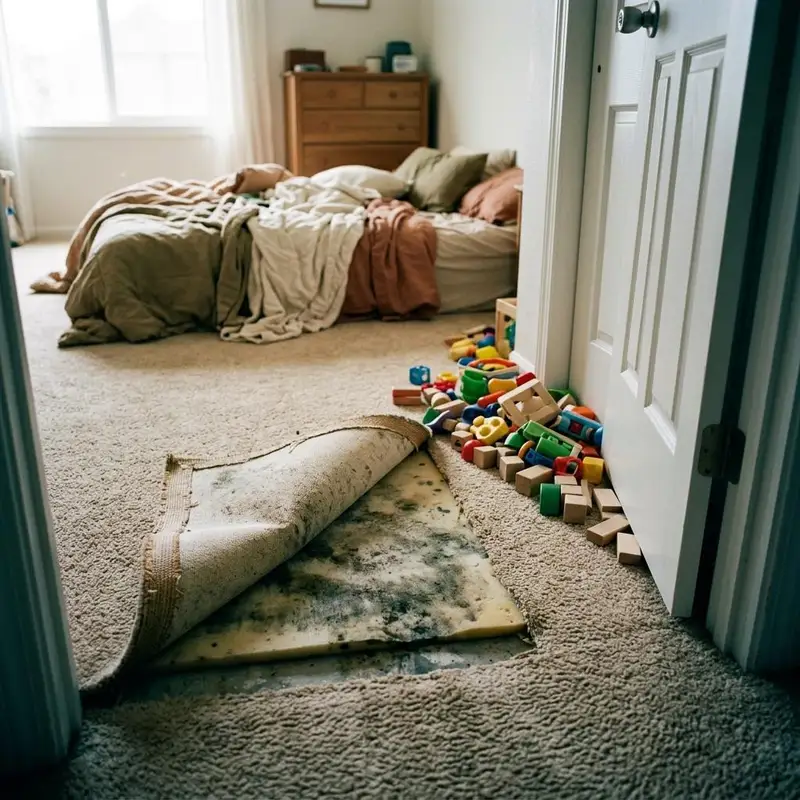
Carpet acts like a filter. It traps dust, skin cells, pet dander, and organic matter. When moisture is added, that trapped material becomes food for mold. The padding underneath the carpet is especially vulnerable because it soaks up water and stays damp longer than the surface fibers. Once mold takes hold in the padding, it can spread into the carpet backing and even into the concrete or wood subfloor below. Removing the carpet alone leaves the contaminated padding and subfloor in place, which can continue to release spores into the air.
Another factor is that mold growth often happens in hidden areas. A carpet may look clean on top while the underside is covered in colonies. By the time you notice a musty smell or see visible discoloration, the mold may have already spread to the tack strips, the glue used for carpet installation, and the edges of the room. These areas are easy to overlook during removal. If they are not cleaned or removed, they become ongoing sources of airborne spores.
What happens to spores after carpet removal
When you pull up moldy carpet, the physical act of removal can disturb colonies and send a burst of spores into the air. This is why professionals often seal off the work area and use negative air pressure during removal. Without those precautions, spores travel through the HVAC system or simply drift from room to room on air currents. After the carpet is gone, those spores can settle on furniture, curtains, upholstery, and even inside ductwork. If the humidity in the room stays high, the spores can germinate on these new surfaces, starting the cycle again.
The subfloor is another critical point. On concrete slabs, mold can grow on the surface if moisture from the slab wicks up through the carpet. On wood subfloors, the wood itself can absorb moisture and support mold growth inside the grain. In both cases, simply removing the carpet does not dry out the subfloor. The moisture source must be stopped, and the subfloor must be dried and treated. Otherwise, the mold continues to grow and release spores from below.
The role of thorough mold treatment
Carpet mold treatment involves more than pulling up the old flooring. It includes identifying the moisture source, removing all contaminated materials, drying the structure, and verifying that the air quality has improved. A complete approach addresses the subfloor, baseboards, and any adjacent drywall that may have absorbed moisture. It also includes cleaning the HVAC system if mold was present near vents.
One of the most reliable ways to confirm that the air is safe is through professional testing. Carpet Mold Removal Services Pros indoor air quality testing can measure spore levels before and after treatment. This kind of testing uses specialized equipment to capture air samples and compare them to outdoor baseline levels. If indoor spore counts are still elevated after carpet removal, it indicates that mold is still present somewhere in the room. The testing helps pinpoint where the hidden growth is, so it can be addressed properly.
Without testing, you might assume the problem is solved when it is not. A room can look and even smell clean but still harbor mold in the subfloor or behind the walls. This is why many restoration companies include air quality testing as a standard step in their process. It provides objective evidence that the treatment was effective.
Practical steps to take after carpet removal
If you have already removed the carpet, the next steps depend on what you find underneath. Here is a general approach that restoration professionals follow:
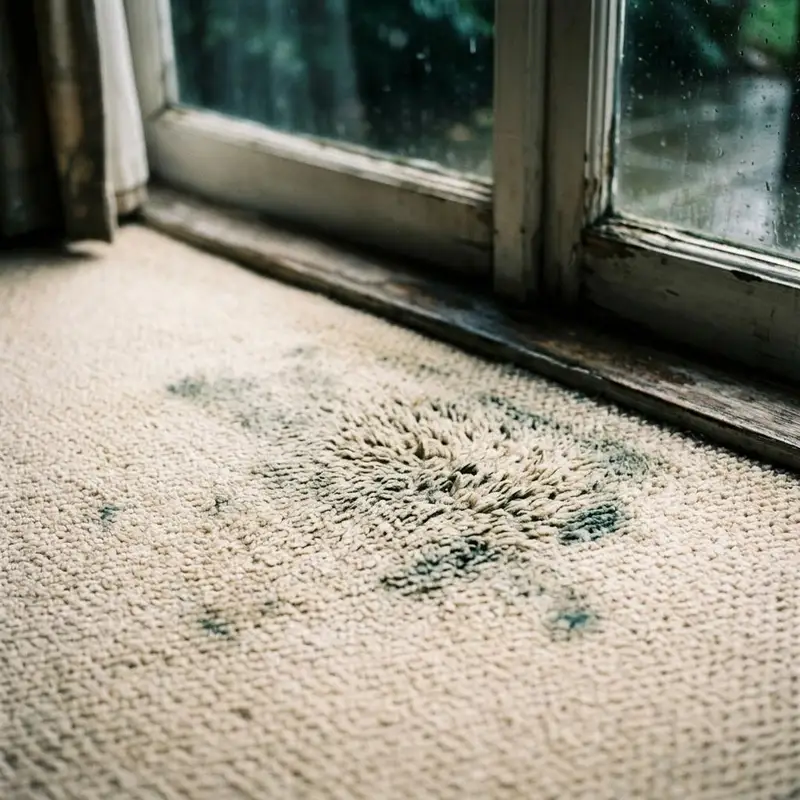
- Inspect the subfloor for visible mold, water staining, or a musty odor. If the subfloor is wood, check for soft or rotted areas. If it is concrete, look for efflorescence or damp patches.
- Dry the subfloor thoroughly using dehumidifiers, air movers, and heat if necessary. The goal is to bring the moisture content below the threshold where mold can grow, typically below 16 percent for wood.
- Treat the subfloor with an antimicrobial solution designed for mold remediation. This kills any surface mold and helps prevent regrowth.
- Seal the subfloor with a mold-resistant primer or paint if needed, especially if the subfloor is concrete and the moisture problem is chronic.
- Replace any damaged baseboards, tack strips, and padding. These materials are cheap enough to replace and difficult to clean completely.
After these steps, it is wise to run an air purifier with a HEPA filter in the room for several days. This helps capture any spores still floating in the air. Keep the room well ventilated and maintain low humidity, ideally below 50 percent. A hygrometer can help you monitor the humidity level.
When to bring in professionals
Small areas of mold on carpet can sometimes be handled by a homeowner, but once the carpet is removed and the extent of contamination becomes clear, professional help is often needed. Mold remediation specialists have industrial-grade drying equipment, HEPA vacuums, and antimicrobial treatments that are not available to the general public. They also know how to contain the work area so that spores do not spread to other parts of the house.
Another reason to call in experts is if the mold is in the HVAC system. Spores from carpet can be pulled into the return air ducts and then blown into other rooms. Cleaning ductwork requires specialized tools and training. A general contractor or carpet installer may not have the right equipment to handle this.
If you are unsure whether the mold is gone for good, Carpet Mold Removal Services Pros indoor air quality testing can give you peace of mind. The testing is noninvasive and can be done before and after the remediation to confirm that spore levels have returned to normal. This is especially important if anyone in the household has asthma, allergies, or a weakened immune system. Mold spores are a known respiratory irritant, and prolonged exposure can lead to more serious health issues.
Preventing mold from returning
Once the carpet is gone and the room is clean, prevention becomes the focus. The most important factor is moisture control. Fix any leaks in the roof, plumbing, or foundation. Improve drainage around the house so that groundwater does not seep into the slab. In basements or crawl spaces, consider installing a vapor barrier or a dehumidifier. If you decide to install new flooring, choose materials that are mold-resistant, such as tile, luxury vinyl plank, or engineered wood with a waterproof core. Avoid wall-to-wall carpet in areas that are prone to moisture, like basements, bathrooms, and laundry rooms.
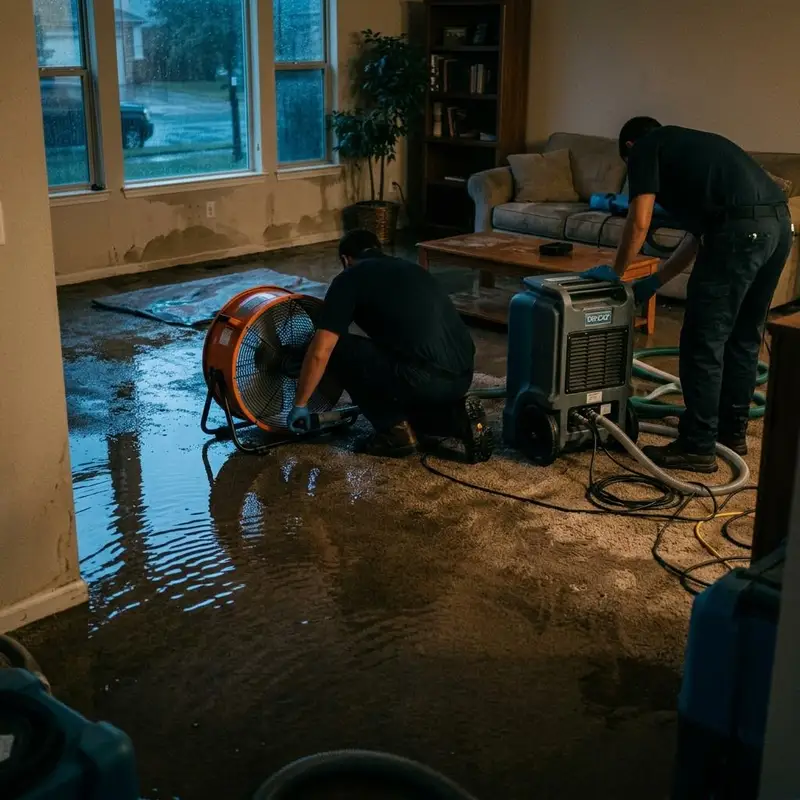
Regular maintenance also matters. Check for signs of moisture around windows, pipes, and appliances. Keep indoor humidity below 50 percent year-round. Clean up spills immediately, and dry any wet areas within 24 to 48 hours. If you do install new carpet, use a moisture barrier under it and choose a low-pile style that dries quickly.
In the end, removing moldy carpet is just the first step. The spores that were already released and the moisture that remains in the structure can continue to affect indoor air quality. A thorough carpet mold treatment plan that includes drying, cleaning, sealing, and testing is the only way to ensure that the air in your home is truly clean again. With the right approach, you can eliminate the mold and keep it from coming back.
❧